
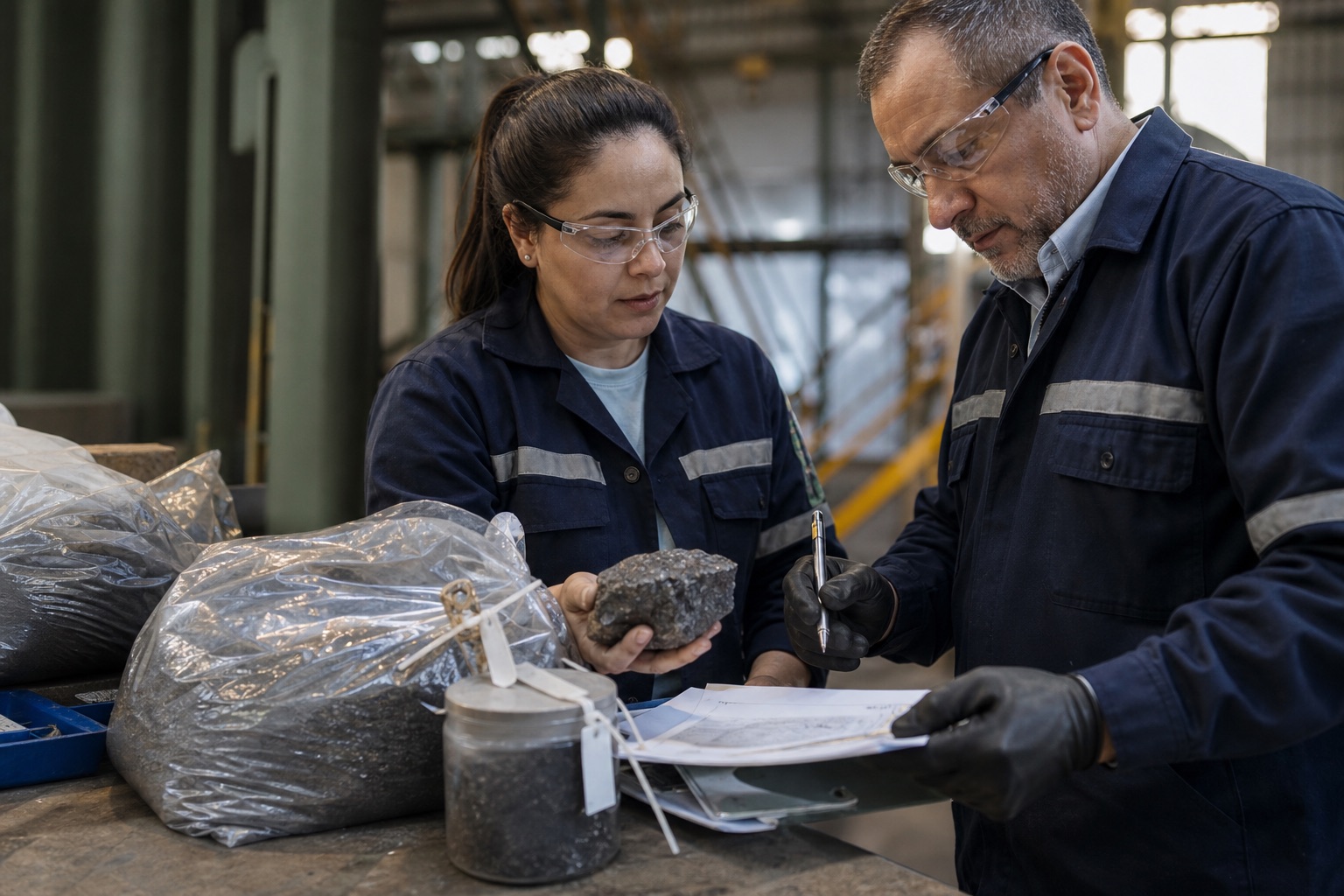
Regulation (EU) 2017/821 requires in-scope EU importers of tin, tantalum, tungsten, and gold to operate OECD-aligned supply chain due diligence. CommonShare helps teams map upstream relationships, collect origin and transaction evidence, screen conflict-affected areas, manage risk, and preserve audit and disclosure records.
At a glance
Reviewed against official primary sources on 5 August 2026.
Jurisdiction
European Union
Status
In force · importer obligations applicable since 1 January 2021
Who it affects
EU importers of covered 3TG minerals and metals above the Regulation’s annual volume thresholds
Products & scope
Tin, tantalum, tungsten, gold, their ores, concentrates, and specified processed metals listed in Annex I
Key dates
Importer due-diligence requirements applicable since 1 Jan 2021 · Annex I and supporting lists can be updated
Authority
EU Member State competent authorities
3TG importer due diligence
Know the origin and upstream path behind every covered import.
Start with Annex I classification, customs code, annual volume, and importer role. Then operate OECD-aligned management, traceability, risk, audit, and disclosure controls for covered transactions.
Determine covered imports
Classify mineral and metal imports against Annex I descriptions, customs codes, annual volume thresholds, and importer role.
Maintain management systems
Adopt a supply chain policy, assign responsibility, retain records, and communicate requirements to suppliers.
Trace origin and upstream actors
Collect supplier, country, mine, consolidation, trader, smelter, refiner, quantity, and timing information as applicable.
Assess and manage sourcing risk
Evaluate conflict-affected and high-risk-area exposure, implement a risk response, monitor outcomes, and escalate unresolved issues.
Support audit and disclosure
Maintain third-party audit evidence where required and publish or provide the applicable due-diligence information.
Regulatory workflow in practice
Move from scope to a governed outcome.
Map the relevant records, collect evidence, review gaps, and release an approved outcome with a complete history.
- EU Conflict Minerals RegulationDetermine covered imports
- Operational evidenceMaintain management systems
- CommonShareConnect obligations to owned action.
- AuthorityTrace origin and upstream actors
- Team ownershipAssess and manage sourcing risk
01 ScopeOpen the relevant requirement02 ConnectGather identity and evidence03 AssessCheck, calculate, and route04 DecideKeep human authority05 DemonstrateIssue and reuse the outcome
Determine covered imports
Maintain a reviewable record for tin, tantalum, tungsten, and gold supply-chain due diligence and supplier engagement.
- Input
- In-scope EU importers of covered minerals and metals
- Decision or control
- Translate applicable requirements into a managed process while keeping legal judgement with the responsible team.
- Handoff
- Maintain management systems · Operational evidence
- Determine covered importsEU Conflict Minerals Regulation
See how CommonShare connects products, partners, evidence, calculations, and accountable decisions in one governed operating model.
Operational evidence
Preserve the upstream chain behind each sourcing decision.
Connect import transactions and quantities to suppliers, origins, upstream actors, smelters, refiners, risk assessments, mitigation, audits, and disclosures.
- 01
Importer, supplier, transaction, quantity, date, customs code, and threshold calculations
- 02
Mineral or metal type, trade name, country of origin, and transport route
- 03
Mine, consolidation point, trader, smelter, refiner, and custody relationships where required
- 04
CAHRA screening, OECD risk indicators, assessments, findings, and decisions
- 05
Supply chain policy, contractual expectations, supplier responses, and risk-management plans
- 06
Independent audit, recognised-scheme, annual disclosure, authority request, and retention records
CommonShare support
Connect mineral due diligence from customs entry to upstream evidence.
CommonShare supports product, transaction, supplier, facility, and material mapping; supplier portals; document extraction; risk screening; corrective actions; approvals; and audit trails.
Mine-to-import mapping
Connect covered transactions to suppliers, origin, upstream actors, smelters, refiners, quantities, and products.
CAHRA and entity screening
Match countries, regions, facilities, and partners to governed risk sources and watchlists.
Supplier due-diligence portal
Collect structured origin, upstream, policy, audit, and scheme evidence with versions and ownership.
Risk and disclosure workflow
Document assessments, corrective actions, approvals, audits, exceptions, and reporting-ready records.
CommonShare operational view
Supply chain due diligence
Responsible sourcing, trade compliance, sustainability, and procurement
- 01Scope
- 02Trace
- 03Respond
- 04Assure
Team ownership
Give sourcing and trade the same upstream record.
Responsible sourcing
Upstream visibility connected to OECD-aligned risk decisions.
Trade compliance
Import scope, codes, quantities, thresholds, and origin evidence in one record.
Procurement
Specific supplier asks, gaps, escalations, and mitigation ownership.
Audit & legal
Reviewable management-system, risk, audit, and disclosure evidence.
Frequently asked
EU conflict-minerals scope, thresholds, CAHRAs, and audits
It covers specified forms of tin, tantalum, tungsten, and gold—often called 3TG—listed in Annex I, including ores, concentrates, and certain processed metals.
Official primary sources
Verify scope against the current rules.
Last reviewed: 5 August 2026
EUR-Lex — Regulation (EU) 2017/821 on conflict minerals
European Commission — Conflict Minerals Regulation explained
Applicability note
Confirm applicability against current legal text and implementing measures for your company role, products, transactions, and facts.
Related guides
Follow the evidence into adjacent requirements.
Batteries Regulation (EU) 2023/1542
Connect battery identity, materials, carbon, due diligence, and passport data across the lifecycle.
Explore guideCorporate Sustainability Due Diligence Directive
Turn human-rights and environmental due diligence into a repeatable operating system.
Explore guideEU Forced Labour Regulation
Prepare product-level supply chain evidence before a forced-labour investigation interrupts EU market access.
Explore guide